


How HVAC Condition Affects Home Appraisals
When an appraiser walks through your front door in Santa Clara or Bloomington Hills, they aren’t just looking at your granite countertops. They are looking for “effective age” and “remaining useful life” of your home’s core systems. We often tell our clients that the HVAC system is the “heart” of the home. If the heart is weak, the whole body—or in this case, the whole property value—suffers.
How appraisers evaluate the condition, age, and efficiency of HVAC systems during a home appraisal
Appraisers use a systematic approach to judge your heating and cooling setup. They typically start by locating the indoor and outdoor units to find the serial numbers. These numbers reveal the exact manufacture date. If your unit was installed back when the St. George Temple was the only major landmark in sight, the appraiser will know immediately.
Beyond age, they look for:
- Efficiency Ratings: They check for SEER (Seasonal Energy Efficiency Ratio) for ACs and AFUE (Annual Fuel Utilization Efficiency) for furnaces. High-efficiency systems are noted as a premium feature.
- Visible Condition: Rust on the cabinet, frayed wiring, or oil leaks around the compressor are immediate red flags.
- Functionality: The appraiser will often turn the system on at the thermostat to ensure it actually blows conditioned air and doesn’t sound like a jet engine taking off.
- Ductwork and Airflow: They look for crushed ducts in the crawlspace or attic and ensure every room has a functional supply and return.
- Maintenance Records: Having a folder of service receipts from a professional team like us shows that the “effective age” of the unit might be lower than its “chronological age.”
How HVAC condition affects home appraisals for sales, refinancing, and HELOCs
The reason for your appraisal can change how much weight is put on the HVAC system.
- Purchase Appraisals: These are the most rigorous. Lenders want to ensure the collateral (your home) won’t need a massive, immediate capital expenditure. A failing AC can cause a lender to deny a loan or require a “repair escrow.”
- Refinance Appraisals: Here, the appraiser is looking for anything that might drastically lower the equity. If you’re trying to pull cash out for a renovation, an outdated HVAC system might limit the amount you can borrow.
- HELOC Reviews: While sometimes less intensive than a full purchase appraisal, a Home Equity Line of Credit still relies on the home being in good “habitable” condition. A broken furnace in the middle of a Toquerville winter is a major habitability issue that can tank your score.
The HVAC age milestones that start hurting value
In our decades of experience serving the Southwest, we’ve noticed that time moves differently for HVAC units in the desert. The extreme heat of a St. George summer means our systems work twice as hard as those in milder climates.

Typical HVAC lifespan and when age starts to negatively affect value
While a system in a cooler climate might last 20 years, we generally see the following milestones here:
- 0–10 Years: This is the “Golden Age.” Appraisers view these as modern and reliable.
- 10–13 Years: This is the “Yellow Zone.” Research shows that once a system hits the 13-year threshold, its impact on home value starts to dip significantly.
- 15–20 Years: This is the “Red Zone.” Most appraisers will flag a 15-year-old unit as being at the end of its life, regardless of how well it’s currently running.
In areas like Hurricane or Ivins, where the sun beats down relentlessly, a 15-year-old unit is often considered “borrowed time.” If your system is approaching these milestones, it’s a good idea to check out our guide on Red Alerts and Cold Comforts: Signs Your HVAC Needs Help ASAP.
The most common HVAC issues appraisers flag as deferred maintenance
“Deferred maintenance” is a term no homeowner wants to see on an appraisal report. It basically means “you should have fixed this, but you didn’t.” Common flags include:
- Short Cycling: The unit turns on and off too quickly, suggesting a mechanical failure.
- Dirty Coils: Visible grime on the outdoor condenser indicates a lack of annual service.
- Damaged Ductwork: Leaky or disconnected ducts mean you are paying to cool your attic instead of your living room.
- Outdated Thermostats: An old mercury-switch thermostat can make the whole house feel “behind the times.”
- Weak Airflow: This often points to a dying blower motor or a severely clogged evaporator coil.
What a failing or outdated HVAC system can do to your appraisal
If your HVAC system is on its last legs, the appraiser won’t just ignore it. They may make a “downward adjustment.” This means they compare your home to similar properties with functional, well-maintained systems and account for the difference in condition, remaining life, and overall market appeal.
How a failing or outdated HVAC system can reduce appraised value
A failing or end-of-life HVAC system can lower appraised value and make a home harder to finance or sell. Appraisers often note the system’s age, condition, and likelihood of near-term replacement, which can influence lender requirements and buyer confidence. A very old unit may also carry a stigma in the market, leading buyers to negotiate more aggressively after reviewing the appraisal and inspection results.
How the absence of central air affects appraisals in markets where it is expected
In the St. George area—including Bloomington and Hidden Valley—central air conditioning is often viewed as a standard feature rather than an optional upgrade. If your home lacks central air in a neighborhood where it is commonly expected, appraisers may treat that as functional obsolescence. Buyers may also see the home as less practical or less comfortable compared to nearby properties with complete cooling systems already in place.
| System Status | Likely Appraisal Impact | Marketability Impact |
|---|---|---|
| Failing/Broken | Negative adjustment possible | Very Low; likely won’t pass inspection |
| Aged (20+ years) | Condition and remaining life may lower value | Low; buyers may expect replacement soon |
| New/Updated | Positive feature in overall evaluation | High; “Move-in Ready” status |
When upgrades help and which HVAC improvements appraisers notice
The good news is that the appraisal sword cuts both ways. Just as a bad system hurts you, a great system can give you a meaningful boost.
Does installing a new or high-efficiency HVAC system increase appraised value?
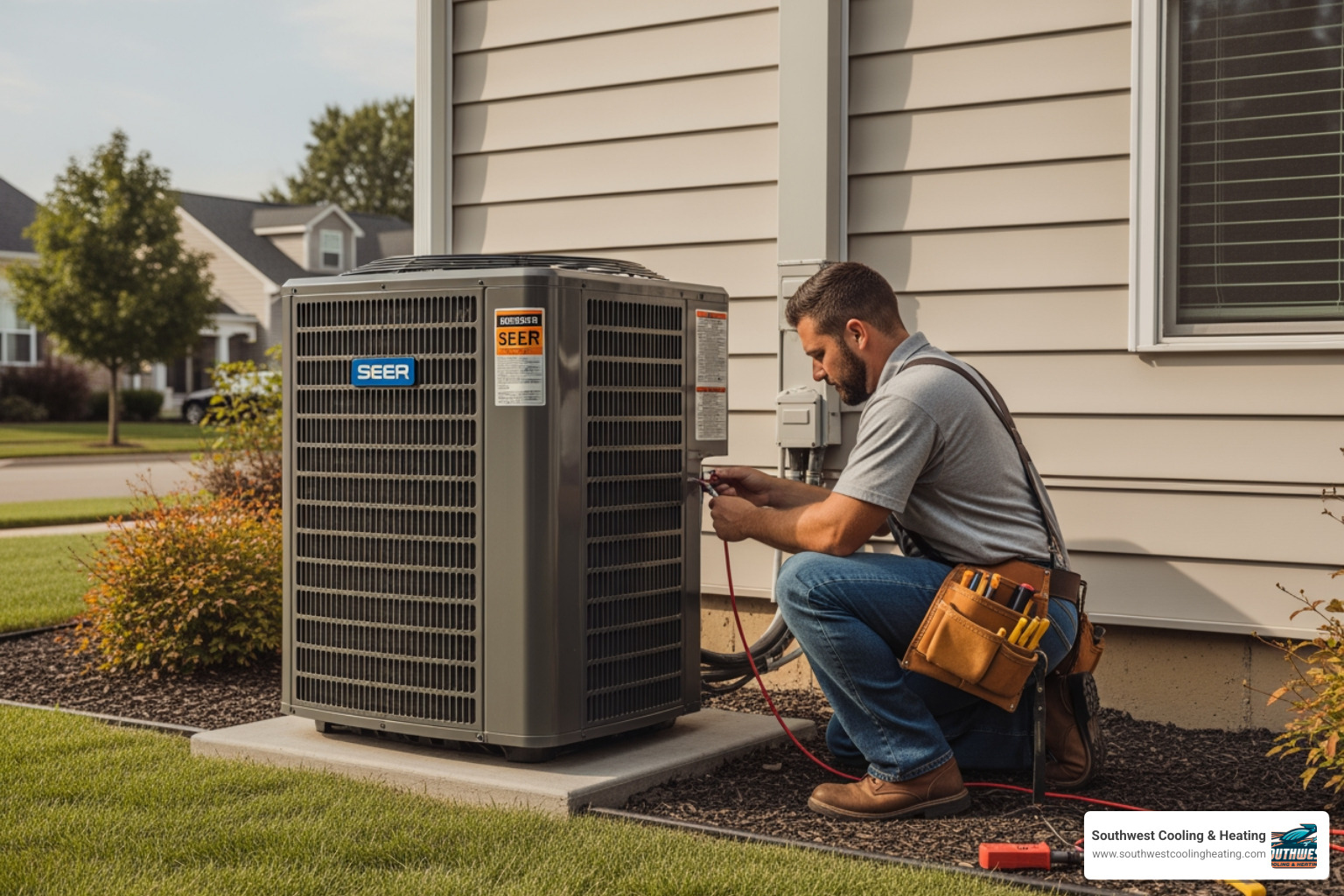
Absolutely. Upgrading to a new HVAC system can support a higher appraised value by improving the home’s condition, efficiency, and remaining useful life. Appraisers often view a recently installed system as a strong positive because it reduces immediate maintenance concerns and can make the home feel more move-in ready. High-efficiency equipment may also stand out as a premium feature, especially when supported by documentation.
Beyond the appraisal itself, a new system can improve marketability and buyer confidence. To see if the upgrade makes sense for your specific situation, read more about Will a New HVAC System Actually Save You Money?
Do smart thermostats, zoning systems, or air quality features add measurable value in appraisals?
While a smart thermostat alone is unlikely to transform an appraisal, these features contribute to the overall impression that the home is updated and well cared for.
- Zoning Systems: These are especially appealing in multi-level homes in areas like Diamond Valley or Winchester Hills, where temperature balancing can be a common issue.
- Indoor Air Quality (IAQ): Features like UV lights and advanced filtration can help the home stand out to buyers focused on comfort and cleaner indoor air.
- Smart Controls: They signal to the appraiser that the home is aligned with current technology expectations.
In what situations does replacing an HVAC system before an appraisal make financial sense?
Replacing the system often makes the most sense if:
- The unit is over 15 years old: It is more likely to be flagged for age or deferred maintenance.
- Repairs are frequent: Repeated breakdowns can raise concerns about reliability. You can learn more in our guide: Should I Repair or Replace My HVAC System?
- You are in a premium neighborhood: Buyers in Coral Canyon or La Verkin often expect major mechanical systems to be in strong condition.
- The system is currently non-functional: A broken AC in the Utah desert can create serious appraisal and lending issues.
How to prepare your HVAC system for a better appraisal result
Preparation is the key to a positive appraisal. You don’t want the appraiser guessing about the condition of your system.
What documentation homeowners should provide to prove HVAC upgrades or maintenance
Don’t just tell the appraiser the system is “new”—prove it. Assemble a folder containing:
- Installation Receipts: Showing the date and the company that performed the work.
- Maintenance Logs: Proof of annual tune-ups from a professional service.
- Warranty Information: Documentation showing if the warranty is transferable to the new owner.
- Permit Sign-offs: This proves the installation was done to local building codes.
- Efficiency Labels: If you have an ENERGY STAR certified system, highlight it.
Simple steps homeowners can take before the appraiser arrives
Before the appraiser knocks on your door in Santa Clara or Hurricane, take these simple steps:
- Replace the Filters: A dirty filter suggests a neglected system.
- Clear the Outdoor Unit: Remove weeds, debris, or storage items from around the condenser to ensure the appraiser can inspect it easily.
- Clean the Vents: Dust off the supply registers and return grilles.
- Fix Minor Rattles: If a panel is loose and vibrating, tighten the screws.
- Address Odors: Ensure there are no “dirty sock” smells coming from the vents.
For more tips on keeping your system in top shape, check out An Ounce of Prevention: Keeping Your HVAC Out of the ER and The Ultimate Survival Guide for When Your HVAC Quits.
Frequently Asked Questions about how HVAC condition affects home appraisals
How do regional climate factors change the importance of HVAC in a home appraisal?
In the Southwest, HVAC is a critical mechanical system on par with plumbing and electrical. In a moderate climate, an appraiser might view a broken AC as a minor inconvenience. In St. George, it is a significant habitability issue. The “utility burden” (how much it costs to run the system) is a major factor in our region’s appraisals.
Will an older HVAC system automatically fail an appraisal?
Not necessarily. If the system is 18 years old but is clean, quiet, and has a documented history of annual maintenance, the appraiser may give it a higher “effective age.” However, most lenders will still note it as a future risk.
Should you repair, service, or replace your system before listing your home?
If the system has visible defects or recurring breakdowns, you should at least have a professional service performed. A simple tune-up can often prevent an appraiser from flagging the unit for “poor performance.” If the unit is completely dead, replacement is usually the only way to protect your home’s equity.
Conclusion: Investing in Your Home’s “Heart”
At the end of the day, how HVAC condition affects home appraisals comes down to trust. A well-maintained, modern system builds trust with the appraiser, the lender, and the future buyer. It proves that you’ve cared for the home from the inside out.
Since 1980, we’ve been helping our neighbors in Santa Clara, Bloomington Hills, Hurricane, and across the St. George area maximize their home comfort and value. Whether you need a pre-appraisal tune-up or a full high-efficiency upgrade to boost your property value, we’re here to help with modern tech and old-school values.
Don’t let a neglected AC unit tank your home’s value. Explore our full range of HVAC services and ensure your home is ready for its next big test.