


Understanding the Technology: Heat Pumps vs. Traditional HVAC
To understand the heat pump advantages over traditional HVAC, we first have to look at what is happening inside the cabinet. While a traditional furnace creates heat by burning natural gas or propane, a heat pump doesn’t “create” anything. Instead, it acts like a heat transporter.
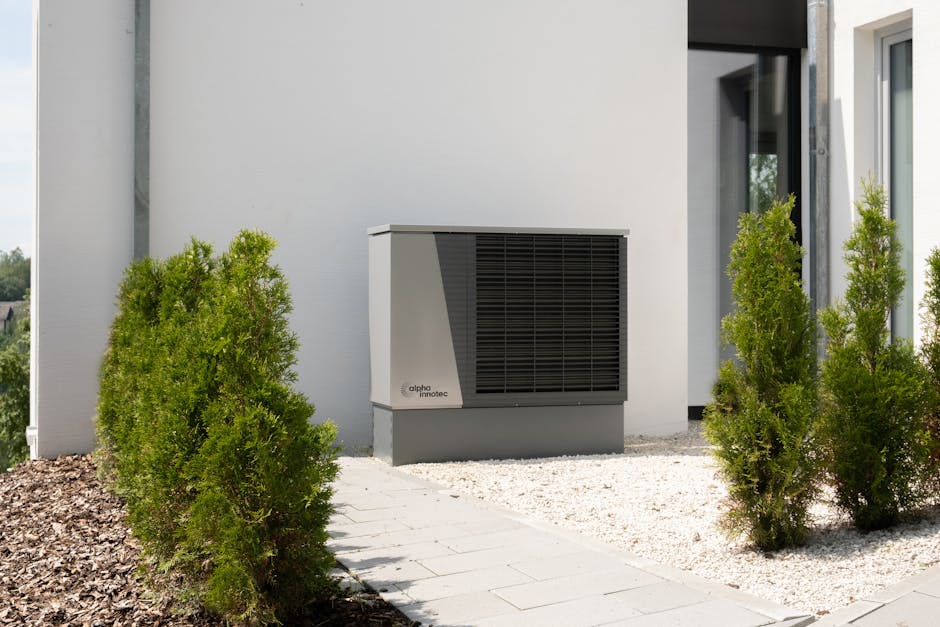
In the summer, a heat pump works exactly like a central air conditioner: it grabs the heat from inside your home and dumps it outside. The magic happens in the winter. Instead of burning fuel, the system reverses itself, extracting heat from the outdoor air (even when it feels cold to us!) and moving it into your living room. Because it is moving heat rather than generating it, the efficiency levels are off the charts.
Our HVAC Services: Heat Pump team often explains that this process relies on a closed loop of refrigerant. This refrigerant changes states from liquid to gas and back again, absorbing and releasing thermal energy as it goes. Because there is no combustion involved, you aren’t just saving energy; you’re opting for a cleaner, safer way to stay warm.
A standard system consists of a few core components:
- The Compressor: The “heart” of the system that moves the refrigerant.
- The Evaporator Coil: Where the heat is absorbed.
- The Condenser Coil: Where the heat is released.
- The Expansion Valve: Regulates the flow of refrigerant.
How Heat Pumps Differ from Furnaces and AC Units
The biggest difference is the fuel source. Traditional HVAC systems in places like Hurricane or Ivins often rely on a “split” setup: a gas furnace for the winter and an electric AC for the summer. A heat pump is entirely electricity-driven.
By using our HVAC Ductless Heat Pump solutions, homeowners can bypass the need for fossil fuels entirely. This is a game-changer for those looking to “electrify” their homes. Since you aren’t burning gas, you don’t need a flue, you don’t need a gas line, and you don’t have to worry about the fluctuating prices of natural gas.
The Role of the Reversing Valve in Dual-Mode Systems
If the compressor is the heart of the system, the reversing valve is the brain. This small but mighty component is what allows the system to switch between heating and cooling modes with a simple click on your thermostat.
When you want to cool down during a Santa Clara July, the valve directs refrigerant one way. When the temperature drops in December, the valve flips, reversing the flow and bringing heat indoors. To see how this technology handles our unique desert environment, check out our guide on How Ductless Heat Pumps Master Every Season.
Key Heat Pump Advantages Over Traditional HVAC Systems
When we compare these systems side-by-side, the heat pump advantages over traditional HVAC become very clear. While a high-efficiency gas furnace might reach 95% to 98% efficiency (meaning it turns 98% of its fuel into heat), a heat pump can reach 300% to 400% efficiency. That isn’t a typo—it can literally deliver three to four times more energy than it consumes because it’s just moving existing heat around.
| Feature | Traditional Furnace + AC | Modern Heat Pump |
|---|---|---|
| Efficiency | 80% – 98% (AFUE) | 200% – 400% (COP) |
| Cooling Metric | SEER2 | SEER2 |
| Heating Metric | AFUE | HSPF2 |
| Fuel Source | Gas + Electricity | 100% Electricity |
| Carbon Risk | Carbon Monoxide possible | Zero (No combustion) |
| Maintenance | Two separate systems | One unified system |
Choosing a Heat Pump Installation means you are investing in a system that reduces your carbon footprint significantly. In fact, air-source heat pumps can reduce household carbon dioxide emissions by about 40% compared with gas furnaces.
Top Heat Pump Advantages Over Traditional HVAC for Energy Savings
In Southern Utah, we are no strangers to high utility bills during the peak of summer. However, the long-term ROI of a heat pump is hard to beat. Because these systems use heat transfer rather than generation, the average U.S. household can save anywhere from $370 to $1,000 per year by switching from oil, propane, or electric resistance systems.
Even if you are currently using natural gas, the efficiency of a modern heat pump often results in lower monthly costs. We dive deeper into these regional specifics in our article, Desert Comfort Decoded and Why Heat Pumps Love Southern Utah.
Why Heat Pump Advantages Over Traditional HVAC Matter for Indoor Air Quality
Beyond the bills, there is the air you breathe. Traditional furnaces can sometimes dry out the air excessively or, in rare and dangerous cases, leak carbon monoxide if the heat exchanger cracks. Heat pumps eliminate that risk entirely because there is no fire inside the unit.
Modern heat pumps also feature advanced filtration and superior humidity control. Because they often use variable-speed compressors, they run for longer cycles at lower speeds, which does a much better job of pulling moisture out of the air and filtering out dust and allergens. This makes them the Coolest Choice for Your Home if you suffer from seasonal allergies or desert dust.

Year-Round Comfort in the St. George Climate
The St. George area, including Bloomington and Hidden Valley, presents a unique HVAC challenge. We need powerhouse cooling for those 110°F days, but we also need reliable heat when the desert floor freezes overnight.
One of the most significant heat pump advantages over traditional HVAC is the advent of variable-speed technology. Unlike an old-school furnace that is either “100% ON” or “OFF,” a modern heat pump can ramp up or down in tiny increments. This prevents those annoying “cold gusts” or “hot blasts,” keeping your home at a rock-steady temperature. For a look at our favorite models for this region, see Best Heat Pump Installation in St. George UT: Our Top Picks.
Performance During Southern Utah’s Hottest Days
Don’t let the name “heat pump” fool you—these units are world-class air conditioners. In fact, most high-end heat pumps have higher SEER2 ratings than standard central AC units. They are designed to wring every bit of humidity out of the air, which is essential for comfort even in our “dry” heat. If you’re looking for Ductless Heat Pump Services Near St. George, you’ll find that these systems are often the quietest and most efficient way to cool a home.
Reliability During Winter Temperature Drops
A common myth is that heat pumps don’t work when it gets cold. While that might have been true in the 1980s, 2026 technology is a different beast. Modern cold-climate heat pumps can maintain 100% of their heating capacity at temperatures as low as 5°F and continue to provide heat well below zero.
For homeowners in Toquerville or La Verkin who might worry about those rare “arctic” nights, we can install hybrid systems or backup electric heat strips to ensure you’re never left in the cold. You can learn more about these cold-weather safeguards in The Ivins Heat Pump Handbook.
Maximizing Your Investment: Incentives and Maintenance
Installing a heat pump is a significant home improvement, but the financial landscape in May 2026 has never been more favorable. Between federal tax credits and local utility programs, the “upfront cost gap” between a heat pump and a traditional system has narrowed significantly.
Available Rebates and Tax Credits in 2026
Under the Inflation Reduction Act, homeowners can often claim a federal tax credit of up to $2,000 for a qualified heat pump installation. When you combine this with state-level rebates and utility incentives, the savings are substantial. We help our neighbors in Hurricane and Santa Clara navigate these programs every day. Check out our guide on Affordable Heat Pump Installation in Hurricane UT for more details on how to stack these savings.
Essential Maintenance for Long-Term Reliability
To keep those heat pump advantages over traditional HVAC working for you, regular maintenance is key. Because a heat pump works year-round (unlike a furnace that sleeps all summer), it needs a little more love. We recommend a “spring and fall” checkup schedule.
- Filter Changes: Every 1–3 months to ensure airflow.
- Coil Cleaning: Keeping the outdoor unit free of desert sand and debris.
- Refrigerant Checks: Ensuring there are no leaks in the lines.
If you’re looking for Heat Pump Specialists in La Verkin, our team at Southwest Cooling & Heating provides the precision tune-ups needed to ensure your system reaches its full 15-to-20-year lifespan. You can also explore our Mini Split Installation services for targeted comfort in specific rooms.
Frequently Asked Questions about Heat Pump Advantages Over Traditional HVAC
Can a heat pump really replace both my furnace and air conditioner?
Absolutely. A whole-home heat pump is designed to be your primary source of both heating and cooling. By switching to a single-system solution, you save space in your utility closet and only have one piece of equipment to maintain. For many, this is a much more streamlined approach than the Central Air setups of the past.
How long do modern heat pumps last compared to traditional units?
A well-maintained heat pump typically lasts about 15 years, which is very similar to the lifespan of a central air conditioner. While a gas furnace might last 20 years, a heat pump is doing the work of two machines. With regular maintenance from local experts, your heat pump can remain highly efficient for its entire service life.
Are heat pumps safe for homes without existing ductwork?
Yes! In fact, this is where “ductless” heat pumps (or mini-splits) shine. They allow you to add high-efficiency heating and cooling to older homes in Diamond Valley or Winchester Hills without the mess and expense of installing ducts. It is the perfect way to Stay Cool When Your House Has Zero Ductwork.
Conclusion
The heat pump advantages over traditional HVAC are no longer a matter of debate—they are a matter of record. From the massive efficiency gains and monthly utility savings to the improved safety and air quality for your family, the switch to a heat pump is one of the smartest moves a St. George homeowner can make in 2026.
At Southwest Cooling & Heating, we’ve been serving this community since 1980. We combine modern technology with old-school values to ensure your home stays comfortable, no matter what the Utah weather throws at us. Whether you are in Coral Canyon, Hurricane, or Ivins, our expert team is ready to help you find the perfect system.
Ready to see how a heat pump can transform your home comfort? Discover your local heat pump solutions and contact Southwest Cooling & Heating today for a consultation!