


Why Choosing the Right Heat Pump Matters in Hurricane, UT
Finding a reliable heat pump in hurricane ut can feel overwhelming when you’re facing extreme desert heat in summer and chilly winter nights. Heat pumps offer year-round comfort by both heating and cooling your home through a single efficient system, making them ideal for Southern Utah’s climate swings. The challenge is knowing which type suits your home, how to ensure a quality installation, and how to protect your investment from the region’s unique weather conditions.
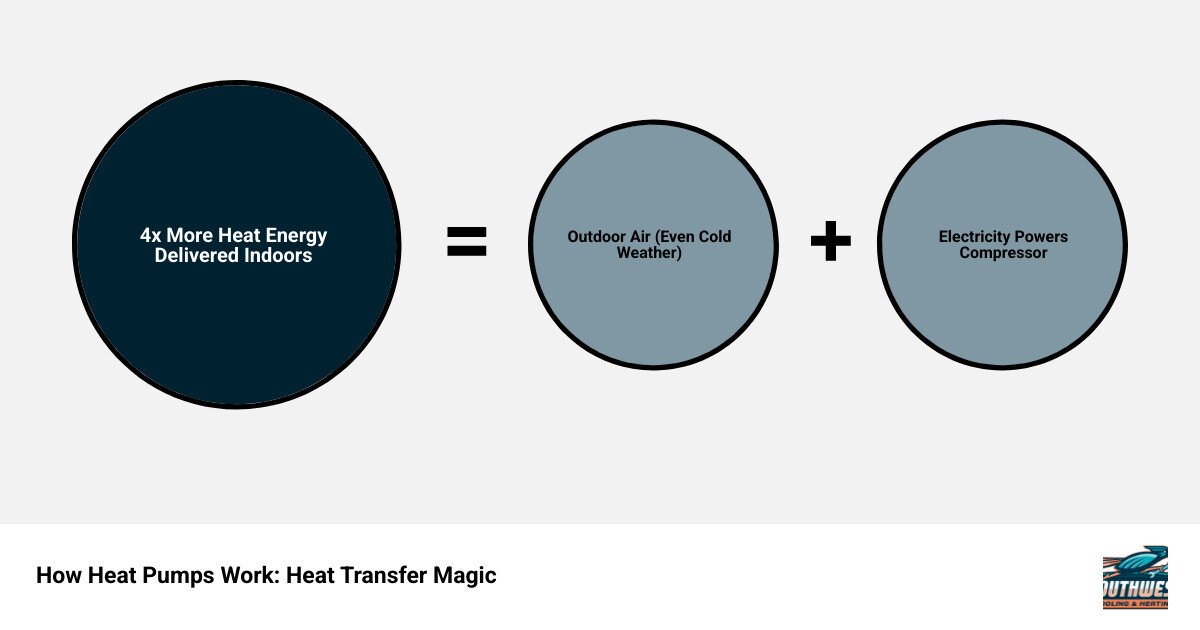
Heat pumps work by transferring heat rather than generating it, moving warmth from outside air into your home during winter and reversing the process in summer. Modern systems can deliver up to four times more energy than they consume, making them significantly more efficient than traditional furnaces or air conditioners. For Hurricane’s climate—with scorching summers often exceeding 100°F and winters occasionally dropping below freezing—today’s variable-speed heat pumps handle both extremes while keeping energy use manageable.
I’m Bruce Hymas, owner of Southwest Cooling & Heating, and our family has been installing and servicing heat pump in hurricane ut systems since 1980. Whether you’re considering your first heat pump or replacing an aging system, we help homeowners choose the right equipment and protect it from Southern Utah’s floods and high winds.
Learn more about heat pump systems and how they work, or schedule a consultation with our team to find the best solution for your home.
Understanding the Benefits of a Heat Pump in Hurricane UT
When we talk about a heat pump in hurricane ut, we are talking about one of the most versatile pieces of technology available for your home. Unlike a traditional furnace that creates heat by burning fuel, or a central air conditioner that only cools, a heat pump is a master of “heat transfer.”
How the Refrigerant Cycle Works
The magic happens through a specialized refrigerant cycle. In the summer, the system acts exactly like an air conditioner: it absorbs the heat from inside your home and pumps it outdoors. In the winter, the process reverses. Even when it feels chilly outside in Hurricane, there is still ambient heat energy in the air. The heat pump extracts that energy and moves it indoors. This refrigeration system includes a compressor and two coils (one indoors and one outdoors) that work together to keep you comfortable.
Efficiency and Performance
Because heat pumps move heat rather than creating it, they are incredibly efficient. According to the Department of Energy, a properly installed air-source heat pump can deliver two to four times more heat energy to a home than the electrical energy it consumes. For homeowners in Southern Utah, this translates to significant energy savings over the life of the unit.
| Feature | Heat Pump | Traditional Furnace + AC |
|---|---|---|
| Primary Function | Both Heating & Cooling | Separate Units for Each |
| Energy Source | Electricity | Gas/Propane + Electricity |
| Efficiency | Up to 400% (Heat Transfer) | 80%–98% (Fuel Combustion) |
| Maintenance | Single System Service | Two Separate Systems to Maintain |
| Comfort | Consistent, Dehumidified Air | Often High-Blast On/Off Cycles |
Whether you are looking for a brand new Heat Pump installation or need to repair an existing unit, understanding this technology is the first step toward a more comfortable home.
Selecting the Right System for Southern Utah Homes
Not every home in Hurricane is built the same, and fortunately, there are several types of heat pump configurations to choose from. Selecting the right one depends on your home’s layout, existing ductwork, and your specific comfort goals.
Air Source Heat Pumps
These are the most common systems found in our area. They are available in multiple configurations tailored to suit specific home layouts. They are reliable, easy to install, and perfectly suited for the moderate winters we experience in the Virgin River Valley.
Ground Source (Geothermal) Heat Pumps
If you are looking for the absolute pinnacle of efficiency, ground source heat pumps—also known as geothermal systems—are a fantastic option. These systems use the earth’s natural, stable temperature to provide heating and cooling. A geothermal heat pump system includes an underground heat collector, the heat pump itself, and a distribution subsystem. While they require more intensive installation, ENERGY STAR certified geothermal models use about 61% less energy than standard systems.
Dual-Fuel Systems
A dual-fuel heat pump pairs an electric heat pump with a gas furnace. In Hurricane, where temperatures rarely stay below freezing for long, the heat pump handles the bulk of the work. However, if a rare cold snap hits, the system automatically switches to the gas furnace for a boost of intense heat.
Selecting a Ductless Heat Pump in Hurricane UT
For homes without existing ductwork, or for room additions like a sunroom or a garage workshop, a HVAC Ductless Heat Pump is often the best choice.
Ductless systems, often called mini-splits, provide “zoned” comfort. This means you can keep your bedroom cool without wasting energy cooling an empty living room. If you are considering an Affordable Expert Ductless Heat Pump Services in Hurricane UT, you’ll find that these units are incredibly quiet and efficient. Many homeowners are choosing a Ductless Heat Pump St. George Upgrade to solve “hot spots” in their homes that traditional central air just can’t reach. For those living nearby, check out our Ivins Top Picks for Ductless Heat Pump Services for more localized advice.
Efficiency Ratings for a Heat Pump in Hurricane UT
When shopping for a heat pump in hurricane ut, you will see two main ratings: SEER2 and HSPF2.
- SEER2 (Seasonal Energy Efficiency Ratio): This measures cooling efficiency. Higher numbers mean better performance during those 105°F July afternoons.
- HSPF2 (Heating Seasonal Performance Factor): This measures heating efficiency.
We recommend looking for ENERGY STAR Certified Heat Pumps to ensure you are getting a unit that meets strict efficiency guidelines. Modern units, such as high-end Bryant models, can reach up to 22 SEER2 and 10.5 HSPF2. For our climate, Cold Climate Heat Pump Sizing and Selection is a great resource to ensure your unit isn’t over or under-sized for your home’s square footage and insulation levels.
Protecting and Maintaining Your Investment
Hurricane, UT is beautiful, but it can be tough on outdoor machinery. Between the intense sun, high winds, and occasional flash flooding in low-lying areas, your heat pump needs a little extra protection.
Flood and Wind Mitigation
According to FEMA guidelines, the most effective way to prevent flood damage is to elevate the outdoor unit.
If you live in a flood-prone section of our Hurricane Service Area, we can install your heat pump on an elevated platform. Additionally, anchoring the unit to a concrete pad helps it withstand the high winds that often roll through the canyon. Flexible connections for piping and electrical conduit are also a smart move, as they prevent the lines from snapping if the unit shifts slightly during extreme weather.
Maintenance and Longevity
A well-maintained heat pump typically lasts 10 to 15 years. To reach that milestone, we recommend:
- Bi-annual Tune-ups: Schedule a check-up in the spring (before the heat hits) and the fall (before the nights get cold).
- Filter Changes: In our dusty desert environment, changing your filters every 1-3 months is non-negotiable for maintaining airflow.
- Coil Cleaning: Keeping the outdoor coils free of dirt and debris ensures the heat transfer process stays efficient.
Incentives and Credits
The good news is that upgrading to an energy-efficient system can be more affordable than you think. There are various Heat Pump Conversion Utah HVAC Credits and federal tax credits available for homeowners who choose high-efficiency units. You can find more details on local programs through the Utah Energy Hub resources.
Frequently Asked Questions about Heat Pumps
How do heat pumps perform in extreme desert heat?
Modern heat pumps are designed to handle ambient temperatures well over 100°F. By using variable-speed compressors, these systems can adjust their output to match the cooling needs of your home precisely. Instead of blasting on and off, they “sip” energy to maintain a steady, comfortable temperature and superior humidity control, which is a lifesaver during our Southern Utah summers.
What is the difference between a dual-fuel system and a standard heat pump?
A standard heat pump uses an electric “heat strip” as a backup during extreme cold. A dual-fuel system replaces those electric strips with a high-efficiency gas furnace. The dual-fuel heat pump benefits include lower operating costs when temperatures drop significantly, as gas can sometimes be more cost-effective than electric resistance heating for those few weeks of “real” winter.
How often should I schedule maintenance for my heat pump?
Because your heat pump works year-round (unlike a furnace that sits idle all summer), it needs bi-annual service. We recommend a spring visit to prep the cooling side and a fall visit to inspect the heating components and reversing valve. Regular maintenance not only prevents breakdowns but also optimizes efficiency, keeping your utility bills as low as possible.
Conclusion
Choosing the right heat pump in hurricane ut is a significant decision for your home’s comfort and your wallet. From understanding the refrigeration cycle to selecting between ductless and geothermal options, there is a lot to consider. At Southwest Cooling & Heating, we’ve spent over 40 years helping our neighbors in Hurricane, Santa Clara, and throughout the St. George area find HVAC solutions that last.
We pride ourselves on combining modern technology with old-school values. Whether you need a brand new Heat Pump Installation or just a quick repair to get your system back on track, our team is here to help with expert assistance and performance guarantees.
Don’t wait for the next heatwave or cold snap to secure your home’s comfort. Schedule your Heat Pump Service in Hurricane today and experience the difference that local expertise makes.